A useful system has to be governable.
Sources, criteria, responsibility, controls and limits are not added after the model. They are part of the capability being built.
Where do you want to start?
The 38 Trust Layer is a methodology in formalisation: it helps make data, criteria, responsibilities, controls and dependencies legible. It is not a certified standard or a certification.
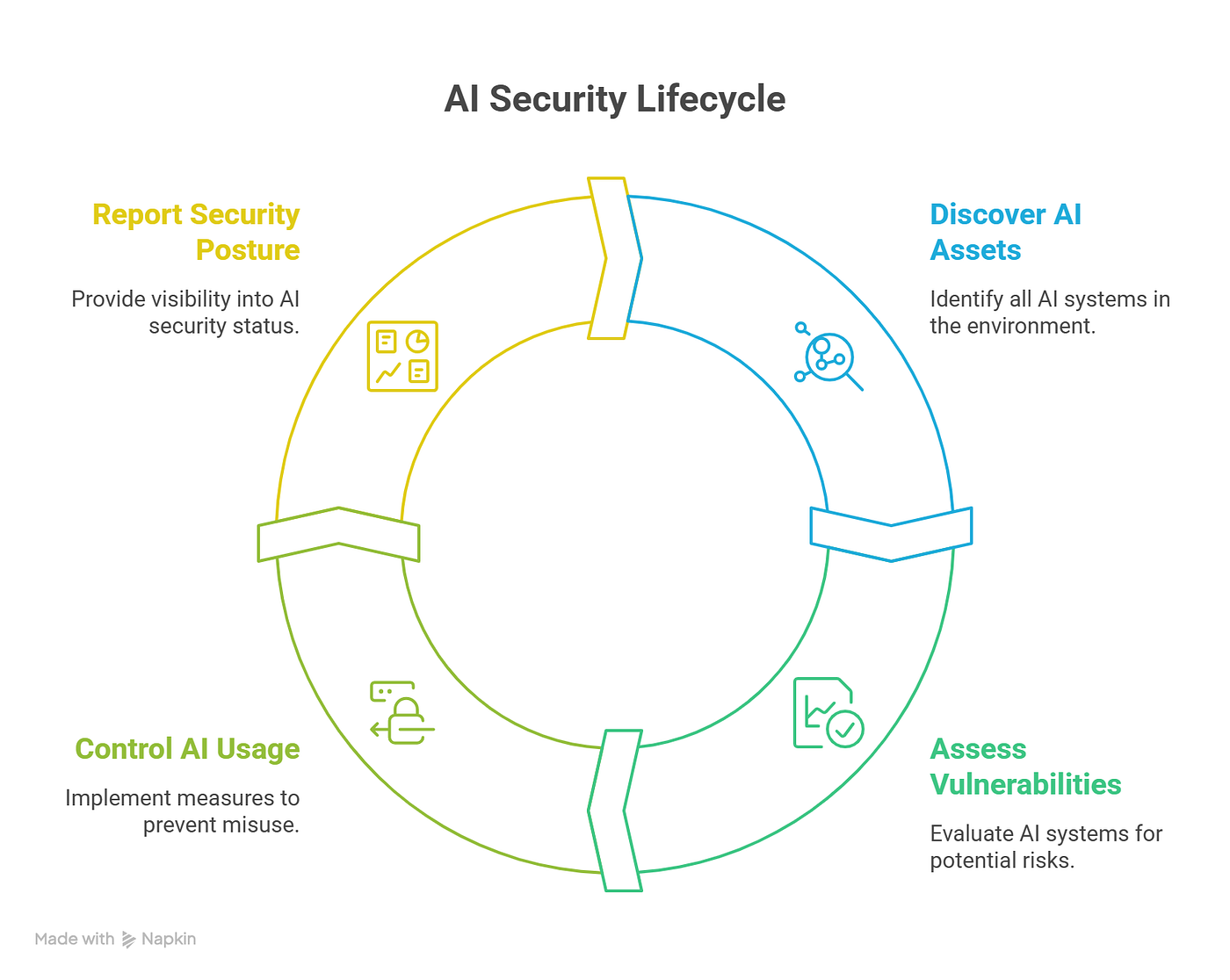
Legible governance
Who can decide, verify and stop the system.
Acceptance criteria, human oversight, known limits and ownership make a capability discussable before it becomes opaque.
The partner retains domain decisions. Roles, escalation thresholds and responsibility boundaries are defined for the individual engagement.
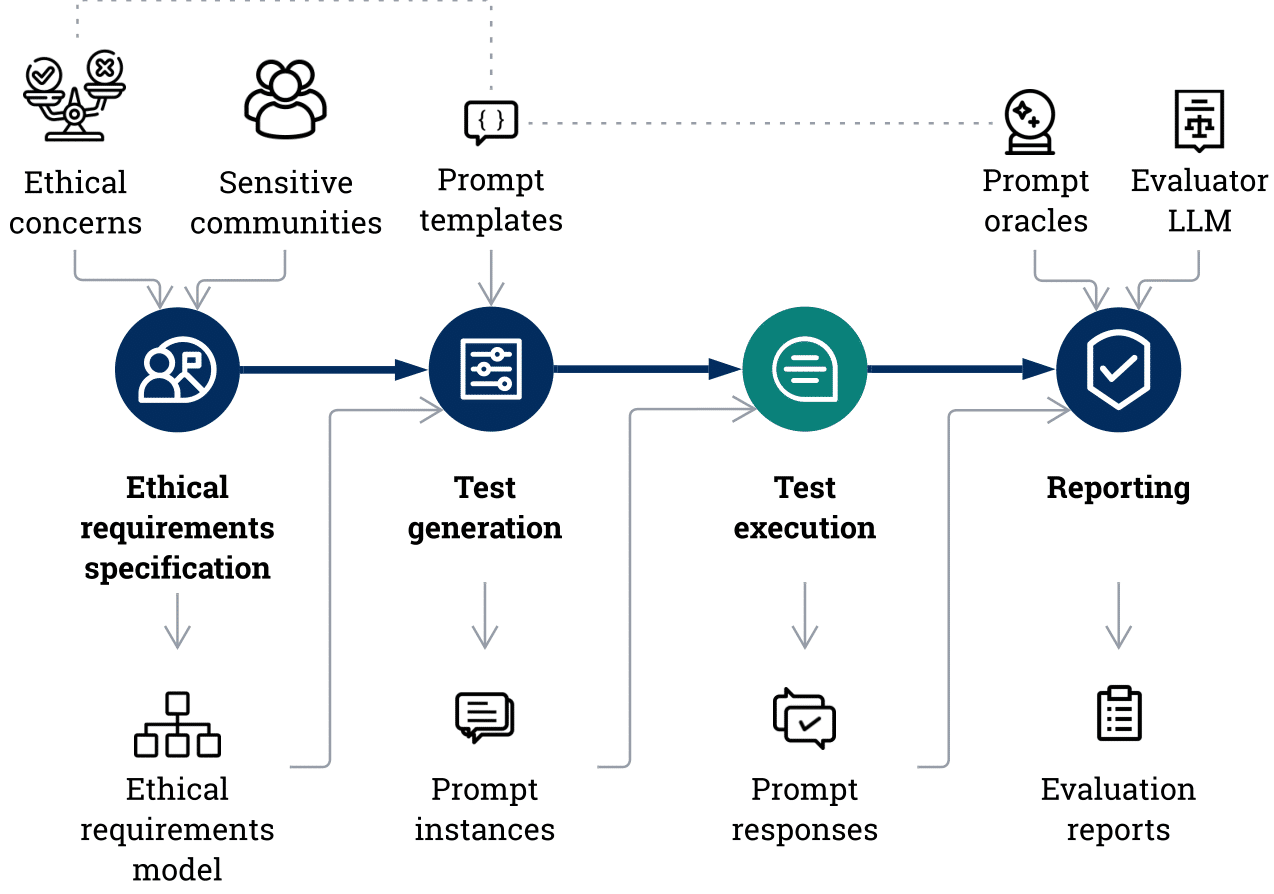
An answer must be open to inspection
Knowing the source changes the quality of a decision.
Data boundaries, provenance and observability are dimensions to design around risk.
Where relevant, source traceability, human validation and an audit trail are part of the criteria to define. They do not replace the judgement of the people who know the process.
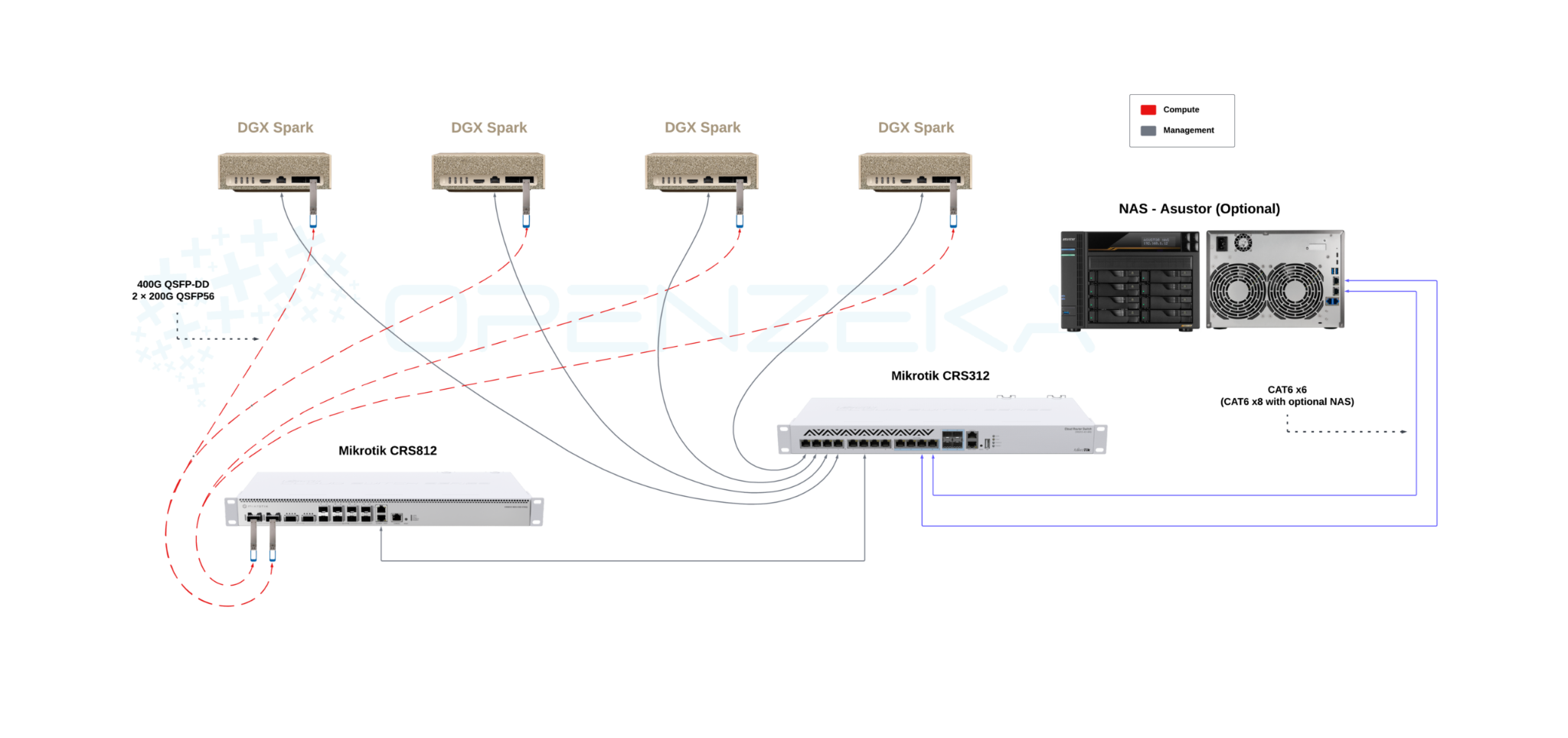
Sovereign by choice
Dependencies are architectural choices, not technical details.
Models, hosting, data location, access and suppliers are selected around risk, continuity and responsibility.
Sovereignty does not automatically mean everything on-premise or Europe-only. It means making the trade-off explicit and being able to govern it.
Practices already in use
Acceptance criteria written before development and, where relevant to a specific engagement, source traceability, human validation and an audit trail.
Controls defined per project
Deployment, segregation, retention, integrations, logging, backup, recovery and compliance requirements depend on risk, existing systems and contractual responsibility.
Sovereign by choice
Sovereignty means deliberately choosing models, hosting, data location, access and dependencies. It does not mean “everything on-premise” or “Europe only” by definition.
What we do not claim
We make no certification claim. We do not promise zero error, absolute security, universal SLAs or one architecture for every partner. Failure modes and responsibility boundaries must remain legible.
Constraints change the architecture.
Bring security, procurement, data and sovereignty into the first conversation.